

Procurement is a vital function within any organization, impacting everything from operational efficiency to profitability. It’s more than just buying things; it’s a strategic process that ensures a business secures the best possible goods and services to meet its needs. Let’s delve deeper into the world of procurement and explore its various facets.
Understanding Procurement
Procurement Definition
Procurement is defined as the process that focuses on acquiring goods and services a company needs to fulfill its business requirements. This is far more strategic than simply purchasing something; it involves assessing needs, negotiating contracts, and ensuring the timely delivery of quality goods and services. The procurement definition encompasses the entire procurement process, from identifying a need to managing the contract and supplier relationships, often supported by advanced procurement software.
Importance of Procurement in Business
Procurement is incredibly important in business. A well-managed procurement process can lead to significant cost savings, improved efficiency, and a stronger supply chain. Effective procurement management ensures that the procurement team obtains the best possible value for products or services, positively impacting the bottom line. Moreover, efficient procurement practices contribute to a competitive advantage by securing access to high-quality raw materials and services needed for the production process and overall procurement process.
How Procurement Works
How procurement works is a multi-step process, often referred to as the procurement cycle, which involves several key activities. This begins with identifying a need for a good or service, followed by sourcing potential suppliers. Then, the procurement specialist evaluates bids, negotiates contracts, and places orders. The final steps include receiving goods or services, verifying their quality, and processing payments, making procurement and finance crucial aspects. It is essential that all steps of the procurement cycle are managed efficiently, often utilizing procurement software, to ensure a smooth and cost-effective process. The chief procurement officer manages the entire procurement process.
Types of Procurement
Different Procurement Methods
There are various types of procurement methods that a company can employ. Understanding these different methods is crucial for procurement professionals to optimize the procurement process and achieve cost savings. Selecting the right approach is a critical step in the procurement process. Some common methods are listed below, and others include reverse auctions and sole-source procurement.
| Method | Description |
|---|---|
| Competitive Bidding | Suppliers compete for a contract based on price and quality. |
| Negotiation | The procurement team works directly with a supplier to reach an agreement. |
Procurement versus Purchasing
While often used interchangeably, procurement and purchasing are distinct but related activities. Procurement involves the entire procurement process of strategically sourcing goods and services, from identifying needs and evaluating suppliers to negotiating contracts and managing relationships. Purchasing, on the other hand, is a subset of procurement and involves the actual ordering of goods and services. Essentially, purchasing is the transactional step of the procurement process, while procurement management is the broader, more strategic function. Companies are looking for cost savings as an important aspect in business. Procurement practices are the overall guidelines followed by the business, whereas purchasing is more granular.
Types of Procurement in Supply Chain
Within the supply chain, there are primarily two types of procurement: direct and indirect. These types differ in their focus and impact on the production process, as summarized in the table below.
| Type of Procurement | Description |
|---|---|
| Direct Procurement | Sourcing raw materials and components directly involved in the production process of finished products or services. |
| Indirect Procurement | Acquiring goods and services that support the company’s operations but are not directly involved in the production process. |
Both direct and indirect procurement are crucial for supply chain management and contribute to the overall procurement process. Effective management of direct procurement is essential for ensuring the availability and quality of goods and services. Indirect procurement includes items such as office supplies, IT services procurement, and consulting services procurement.
The Procurement Process
Steps in the Procurement Process
The procurement process involves several key steps, starting with identifying a need for goods and services a company requires. Once a need is identified, the procurement team develops specifications and requirements for the good or service. Next, they research and evaluate potential suppliers, using methods like requests for information (RFIs) and requests for proposals (RFPs). After receiving bids, the procurement specialist evaluates them based on factors such as price, quality, and delivery time. Negotiation and contract signing follow, leading to order placement and fulfillment. Finally, the delivered goods and services are inspected and payment is processed, completing the entire procurement process.
Procurement Cycle Explained
The procurement cycle is a cyclical representation of the procurement process, illustrating its continuous nature. It begins with identifying a need, often triggered by internal stakeholders. This leads to sourcing and selecting suitable suppliers, considering factors like their reputation and capacity. Contract negotiation ensures favorable terms and conditions. Order placement initiates the purchasing process, followed by receiving and inspecting the goods and services. The procurement cycle concludes with invoice processing and payment, after which the cycle may begin again with another need. Efficiently managing this procurement cycle is important in business for maintaining a steady supply chain.
Procurement Activities Involved
Many procurement activities are involved, encompassing a wide range of tasks aimed at securing goods and services effectively. These activities include demand planning, which involves forecasting future needs and ensuring adequate supply chain of raw materials. Supplier selection is another critical activity, requiring careful evaluation of potential partners. Contract negotiation and management are essential for establishing clear terms and minimizing risks. Order processing, expediting deliveries, and managing inventory are also part of the procurement and purchasing function. Furthermore, performance monitoring and continuous improvement efforts help to optimize the procurement process and achieve cost savings for the organization.
Procurement Management
Role of the Procurement Team
The procurement team plays a crucial role in ensuring that an organization acquires the goods and services it needs, when it needs them, and at the best possible price. The procurement team’s responsibilities involve developing and implementing procurement practices, sourcing suppliers, negotiating contracts, and managing supplier relationships. They must also monitor supply chain risks and ensure compliance with relevant regulations. Effective communication and collaboration with internal stakeholders are essential for aligning procurement and purchasing strategies with business objectives. Ultimately, the procurement team contributes significantly to the organization’s overall success by driving efficiency, reducing costs, and improving supply chain management.
Key Performance Indicators (KPIs) in Procurement
Key Performance Indicators (KPIs) are vital metrics for measuring the effectiveness and efficiency of the procurement process. Monitoring these KPIs enables procurement management to identify areas for improvement and drive continuous optimization of the overall procurement process. Some common KPIs are listed below.
| KPI | Description |
|---|---|
| Cost Savings | Tracks the reduction in spending achieved through strategic sourcing and negotiation. |
| Supply Chain Lead Time | Measures the time it takes to fulfill an order. |
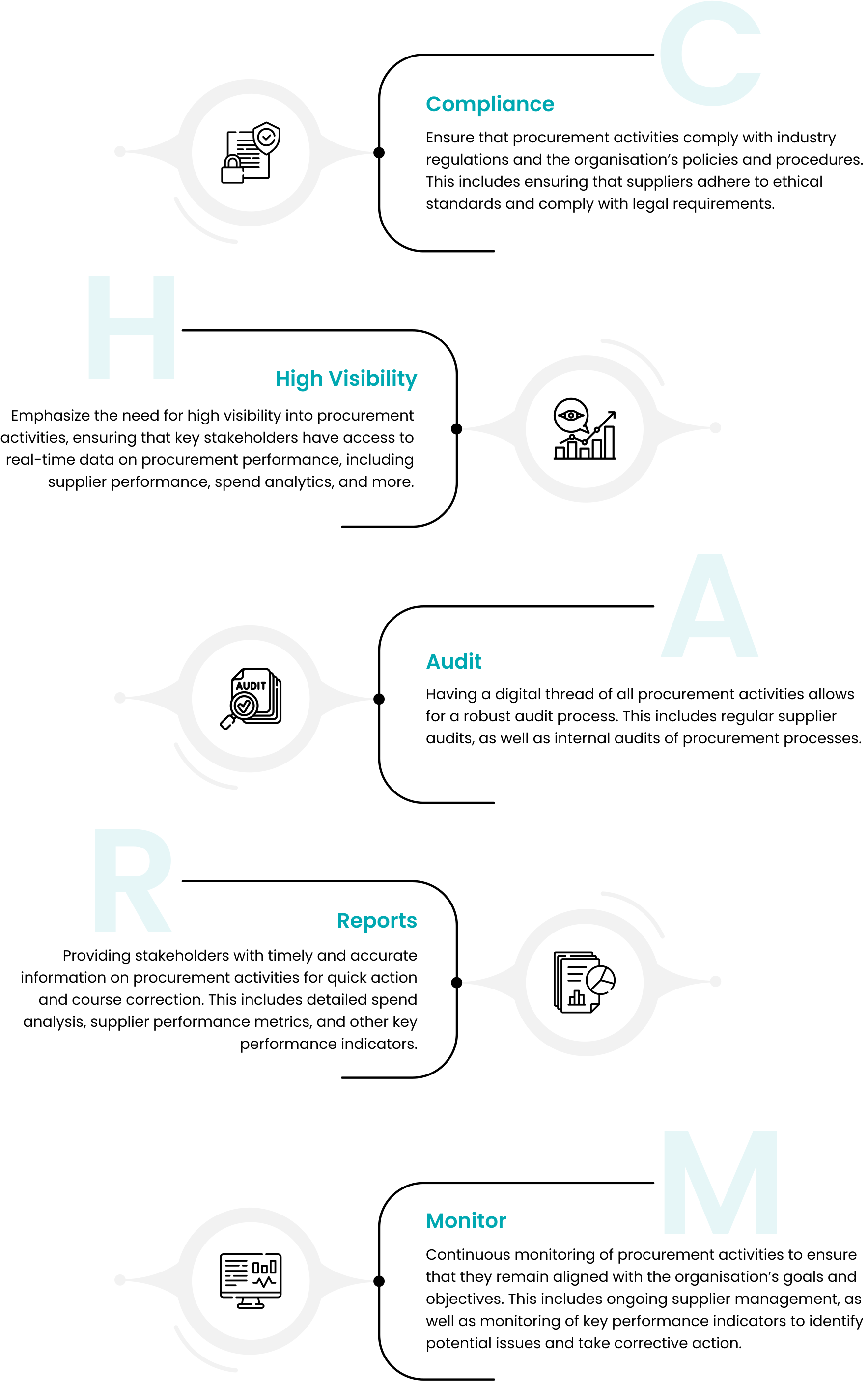
Supplier performance metrics assess the reliability and quality of suppliers, while procurement cycle time measures the duration of the entire procurement process. Compliance rates ensure adherence to procurement practices and policies, and purchase order accuracy minimizes errors in the ordering step of the procurement process.
Risk Management in Procurement
Understanding Procurement Risks
Understanding the potential pitfalls is a crucial aspect of effective procurement management. The procurement team must recognize that the procurement process is not without its challenges, encompassing risks such as supply chain disruptions, supplier failures, and fluctuating prices. Geopolitical events, natural disasters, and economic downturns can all impact the availability and costs of goods and services. Additionally, internal factors like poor planning or inadequate contract management can also contribute to risk. A thorough understanding of these potential threats is essential for developing strategies to mitigate their impact on the entire procurement process.
Strategies for Effective Risk Management
To mitigate potential disruptions, businesses should implement proactive procurement practices that address risks. Strategies can include diversifying the supply chain by sourcing from multiple suppliers, conducting thorough due diligence on potential partners, and negotiating clear and enforceable contracts. Procurement software can aid in monitoring supplier performance, tracking market trends, and identifying potential vulnerabilities. Building strong relationships with key suppliers and maintaining open communication channels are also important in business for early detection and resolution of issues. By proactively managing risk, organizations can safeguard their operations and ensure a stable supply chain.
Supplier Relationship Management
Strong supplier relationships are the cornerstone of effective supply chain management and risk mitigation. By fostering open communication, trust, and collaboration with suppliers, organizations can improve visibility into potential issues and work together to find solutions. Regular performance reviews and feedback sessions can help to identify areas for improvement and ensure that suppliers are meeting expectations. Investing in supplier development programs can also enhance their capabilities and reduce the risk of disruptions. Effective supplier relationship management not only mitigates risk but also fosters innovation, cost savings, and long-term value creation for the organization. The procurement team can monitor the good or service.
Procurement Software and Tools
Procurement software and tools are vital for streamlining and automating various procurement activities. These solutions typically include capabilities such as e-procurement platforms, e-sourcing tools, contract lifecycle management systems, and supplier relationship management (SRM) modules. By leveraging procurement software, organizations can gain real-time visibility into spend, enhance procurement process efficiency, reduce manual errors, and negotiate better deals with suppliers.
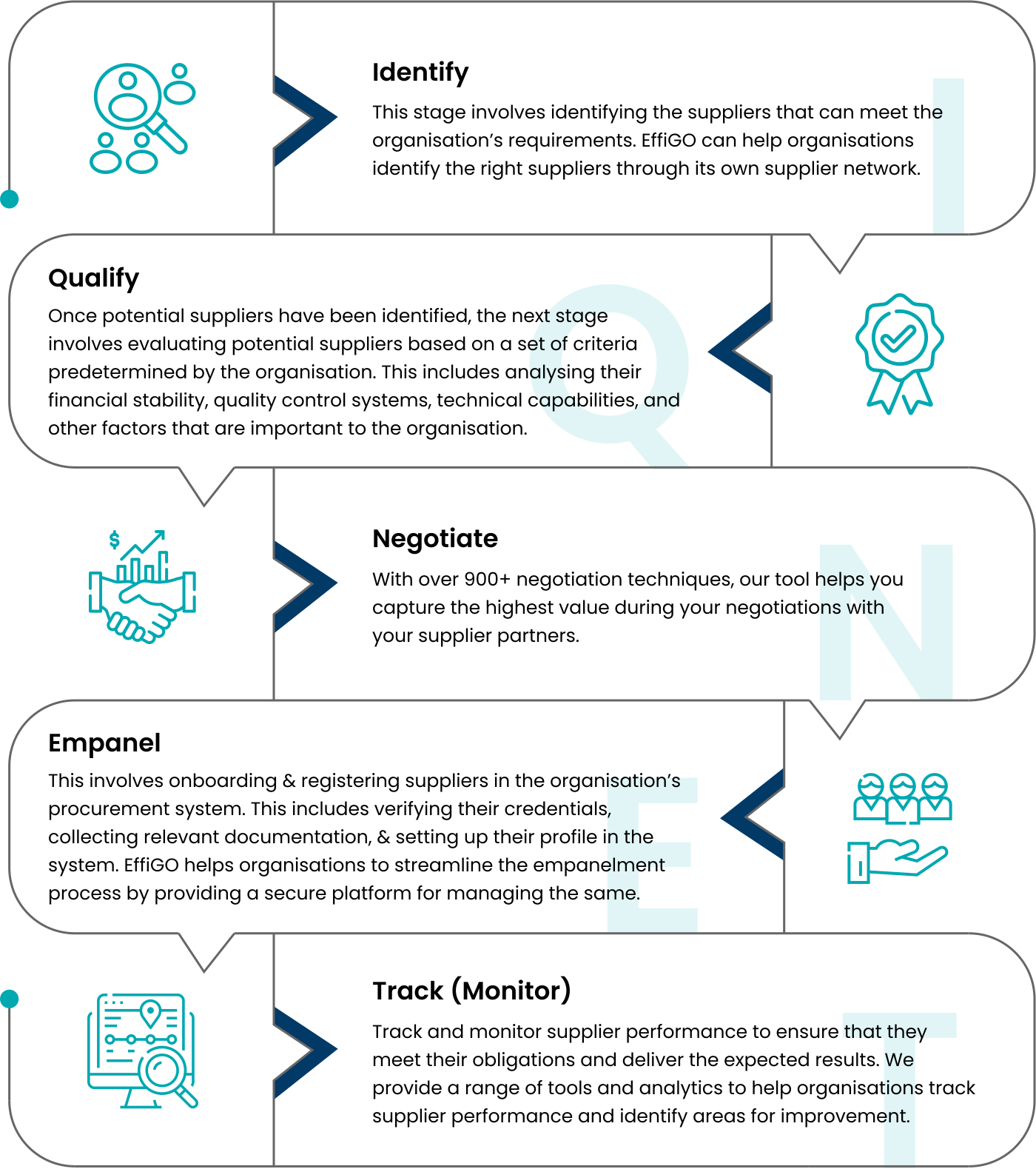
EffiGO is a comprehensive procurement platform that empowers businesses to digitize their end-to-end sourcing and procurement operations. From requisition to payment, Effigo offers advanced features such as workflow automation, services procurement, supplier onboarding, QCBS evaluations, and seamless ERP integration. The automation facilitated by Effigo not only improves compliance and governance but also frees up procurement teams to focus on strategic initiatives like supply chain optimization, cost reduction, and innovation.
As more companies look for robust services procurement tools and scalable solutions, platforms like EffiGO play a key role in transforming procurement into a value-driving function.