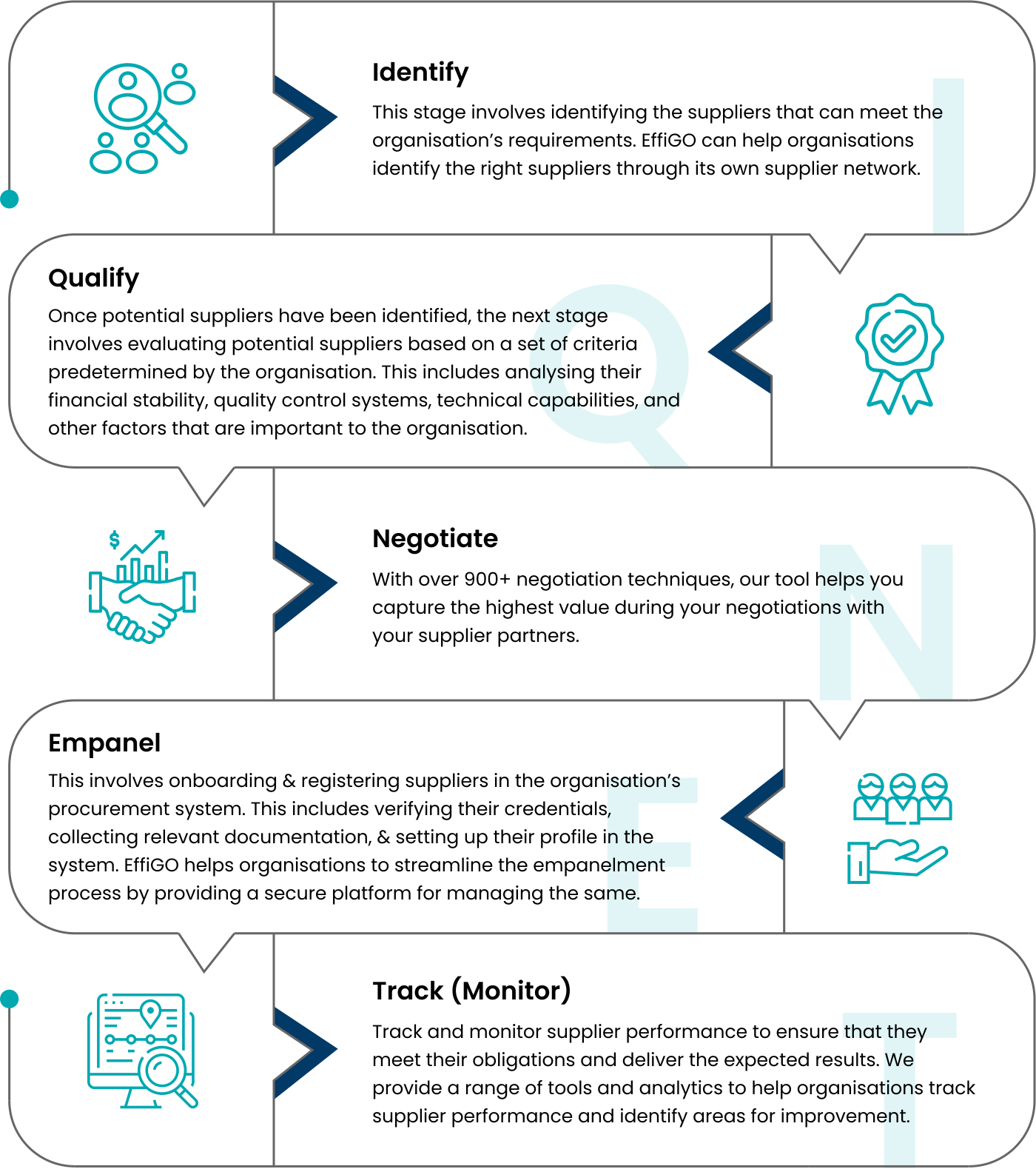

As businesses look to gain a competitive edge in 2025, the distinction between procurement and purchasing has become more than just a matter of terminology. Understanding the strategic versus transactional nature of these functions is essential for operational efficiency, cost control, and supply chain resilience. Though often used interchangeably, procurement and purchasing serve different purposes within an organization – and recognizing those differences can have a direct impact on performance.
Procurement vs. Purchasing: A Foundational Difference
At a high level, purchasing refers to the transactional process of buying goods and services – issuing purchase orders, receiving goods, and processing payments. It’s task-oriented and immediate in nature, focused on fulfilling current needs.
Procurement, in contrast, is a broader, strategic process. It includes activities such as identifying needs, evaluating suppliers, negotiating contracts, managing supplier relationships, and aligning sourcing activities with long-term business objectives. Procurement doesn’t just look at what needs to be bought, but also why, how, and from whom.
The Procurement Process: Planning Beyond Transactions
Procurement begins well before a purchase order is raised. It starts with understanding internal requirements, studying the market, identifying qualified suppliers, and planning strategically for cost savings, risk mitigation, and compliance. Procurement professionals are responsible for defining sourcing strategies, running RFIs/RFPs, finalizing contracts, and continuously monitoring supplier performance.
In today’s digital-first environment, procurement also plays a pivotal role in sustainability, diversity, and innovation – ensuring that business decisions align with ESG goals and organizational values.
The Purchasing Process: Execution and Fulfillment
Once the procurement strategy has defined what is to be bought and from whom, the purchasing process takes over. This typically involves generating purchase requisitions, issuing purchase orders, managing receipts of goods and services, and processing vendor payments.
Although narrower in scope, purchasing ensures that operational needs are met without disruption. It is essential for business continuity and forms the backbone of day-to-day procurement execution.
Why This Distinction Matters More Than Ever in 2025
In earlier business models, procurement and purchasing often overlapped, and processes were largely manual. But in 2025, the need for agility, transparency, and cost efficiency means that the strategic procurement function must be clearly defined and separated from operational purchasing.
Procurement now contributes directly to long-term planning, supplier collaboration, cost reduction, and innovation. Purchasing, while still crucial, plays a more reactive role – ensuring the efficient processing of what procurement has already planned and approved.
The Role of Technology in Bridging Strategy and Execution
The rise of digital procurement platforms has transformed how organizations manage their procurement and purchasing functions. Cloud-based solutions now handle the full source-to-pay lifecycle, enabling procurement teams to plan strategically while giving purchasing teams the tools to act quickly and accurately.
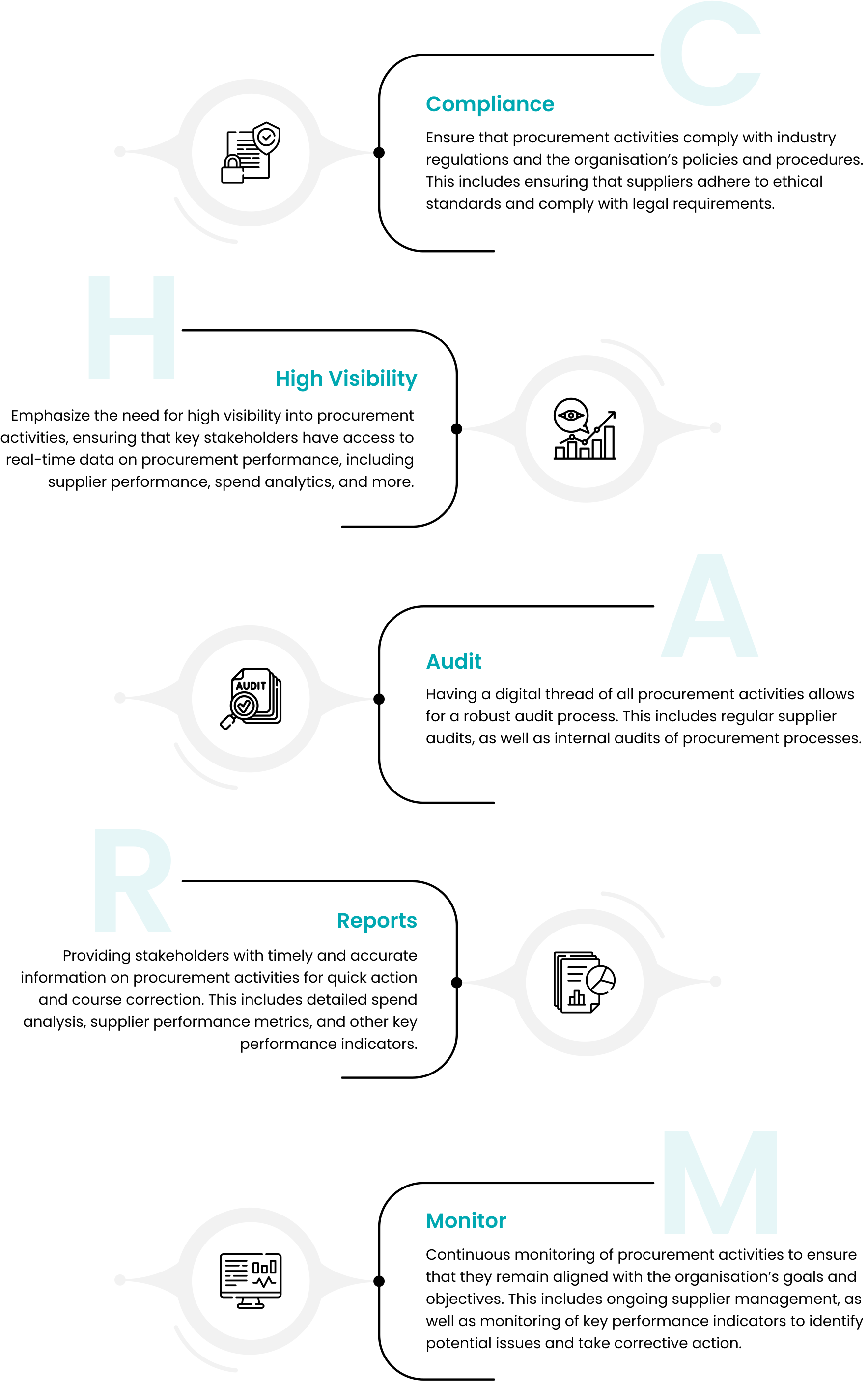
From automated workflows and supplier portals to e-auctions, contract repositories, and real-time analytics, technology ensures both functions work in harmony. This eliminates manual errors, reduces delays, and ensures compliance across every stage of the process.
Procurement and Purchasing in Supply Chain Management
Procurement directly influences supply chain agility and resilience. By establishing long-term supplier relationships, managing sourcing risks, and securing favorable terms, procurement helps the organization withstand disruptions and plan proactively.
Purchasing, on the other hand, ensures smooth fulfillment within the established framework – delivering materials, services, or products on time and within budget. The synergy between the two is essential for a streamlined, resilient supply chain.
Strategic Alignment for Future-Ready Operations
Organizations that recognize procurement as a strategic enabler are better equipped to adapt, scale, and compete. The key lies in assigning clear ownership, leveraging data and technology, and fostering collaboration across departments. When procurement sets the strategy and purchasing executes it seamlessly, businesses not only operate more efficiently but also become more agile and future-ready.
About EffiGO
EffiGO is a cloud-based procurement platform built to unify strategy and execution in one intelligent solution. From supplier onboarding and sourcing to contract management and purchase execution, EffiGO empowers organizations to transform their procurement function into a strategic advantage.
With deep automation, real-time analytics, and seamless integration across back-end ERPs, EffiGO enables procurement teams to streamline operations, ensure compliance, and drive measurable business outcomes. Whether you’re looking to digitize sourcing, simplify vendor collaboration, or control spend more effectively, EffiGO is your partner in building a smarter, more agile procurement ecosystem.